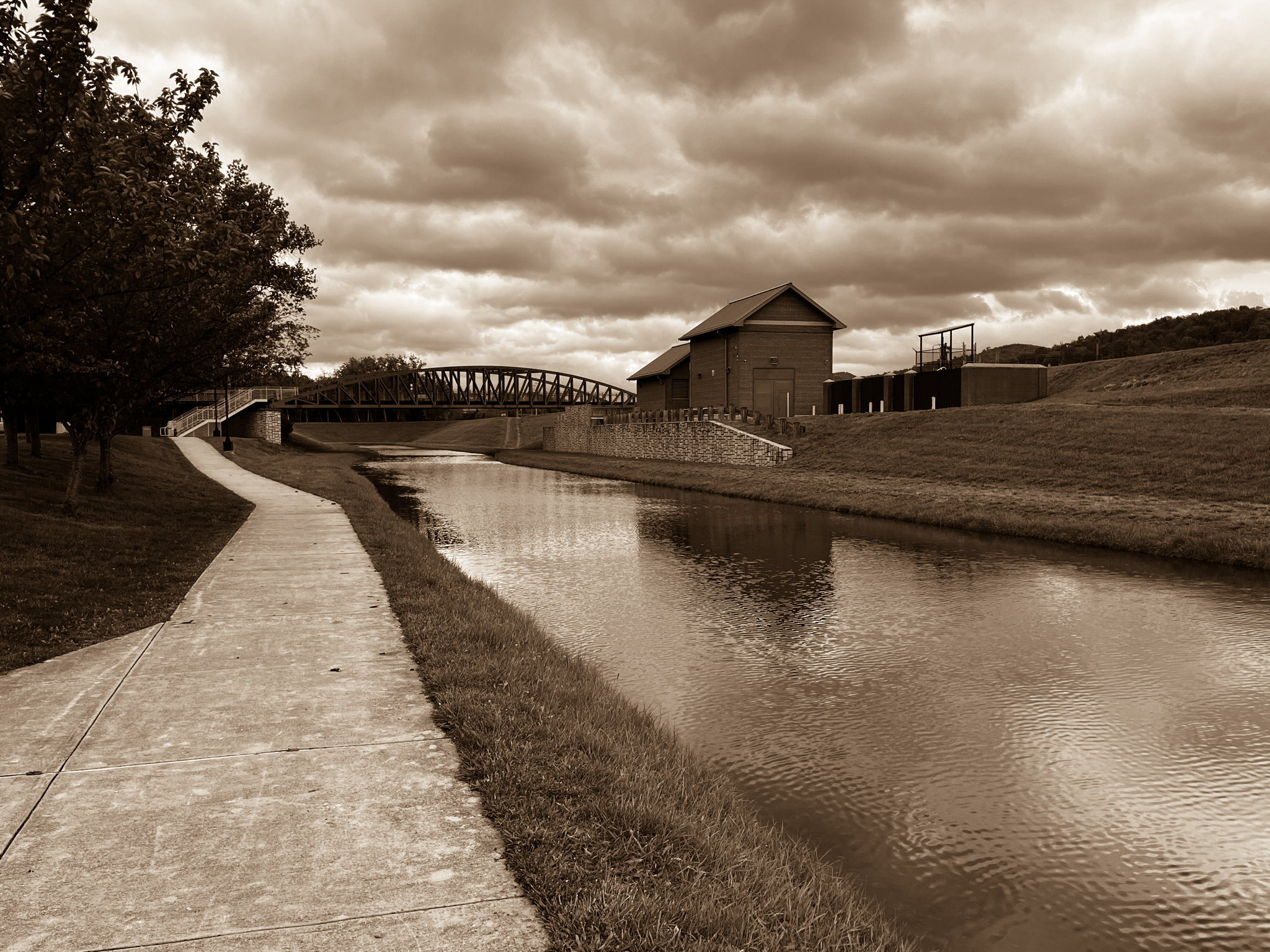
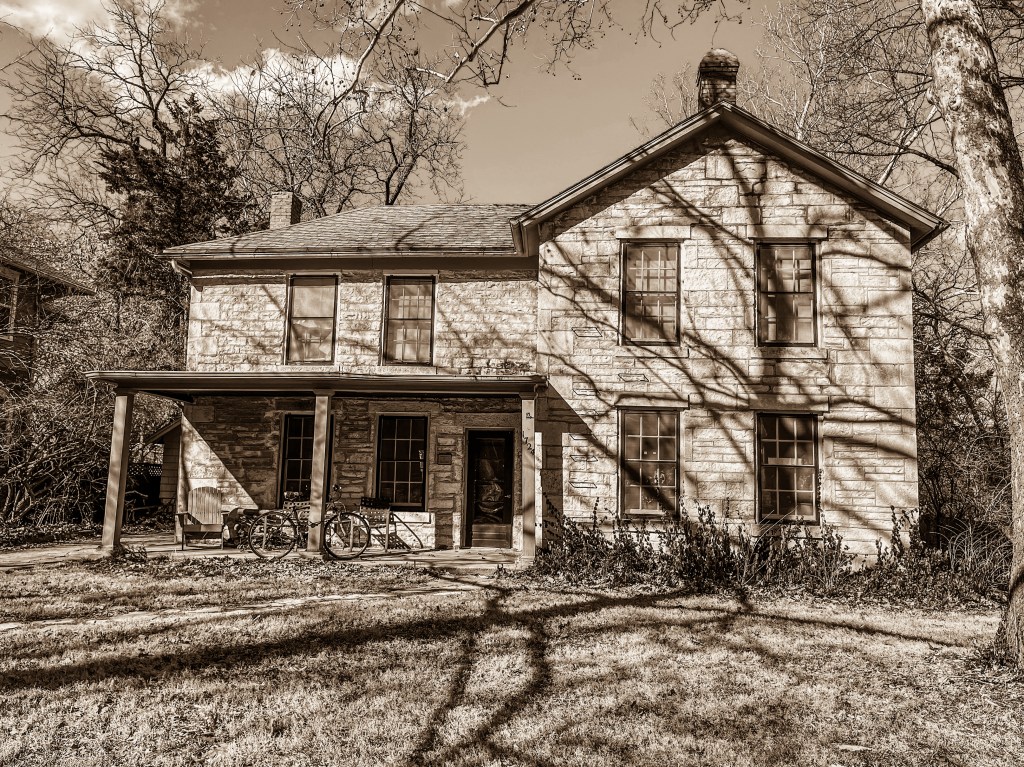
I discussed Manhattan, Kansas, briefly last year in a post about my travels in 2024. Now, almost a year later, after completing the community’s preservation plan, there’s more to share. At least some more pictures. And, an issue emerging in many communities these days: addressing the housing affordability crisis while balancing the preservation of historic places. That issue is ever-present in Manhattan.
As I described in last year’s post, Manhattan, Kansas—the “Little Apple,” as the city is affectionately called—is home to Kansas State University, the first land grant university in the country established under the Morrill Act of 1862. Today, Kansas State is a major teaching and research institution in agriculture, biosecurity, health, and engineering. With a population of 54,000 people, Manhattan boasts a thriving downtown district, supported by a long-running revitalization organization, and a campus town called Aggieville, which serves the shopping and entertainment needs of the university students. Aggieville took its name from KSU’s former mascot, the Kansas State Agricultural College, which was then known as the Aggies but now known as the Wildcats.
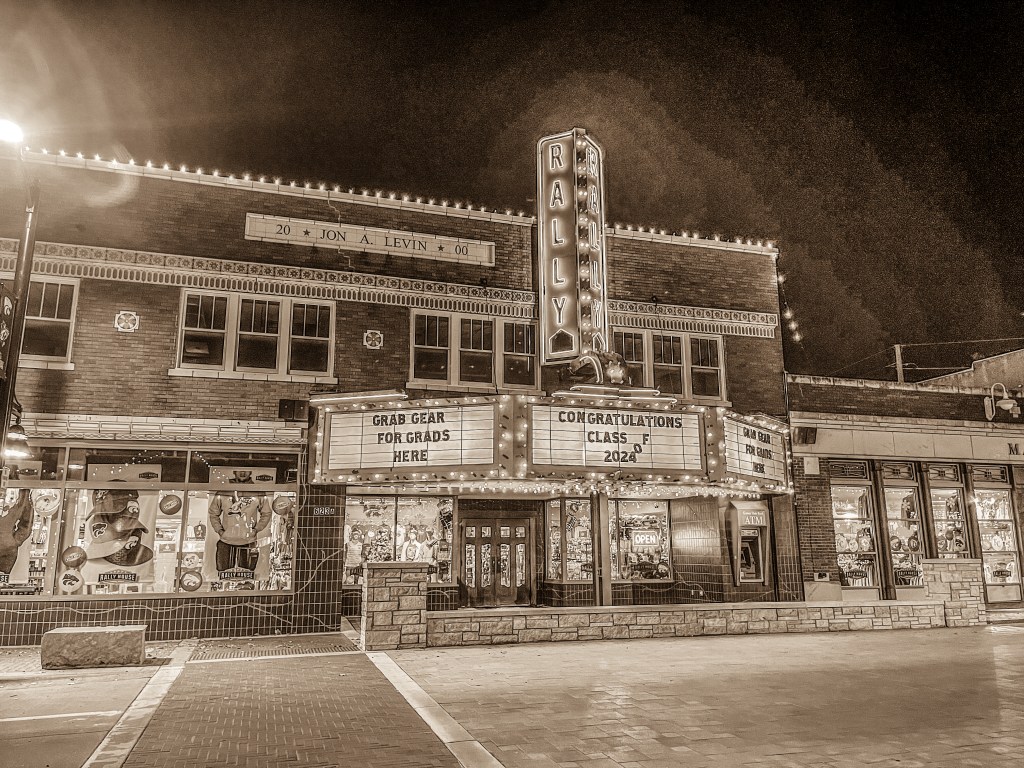
Downtown and Johnny Kaw
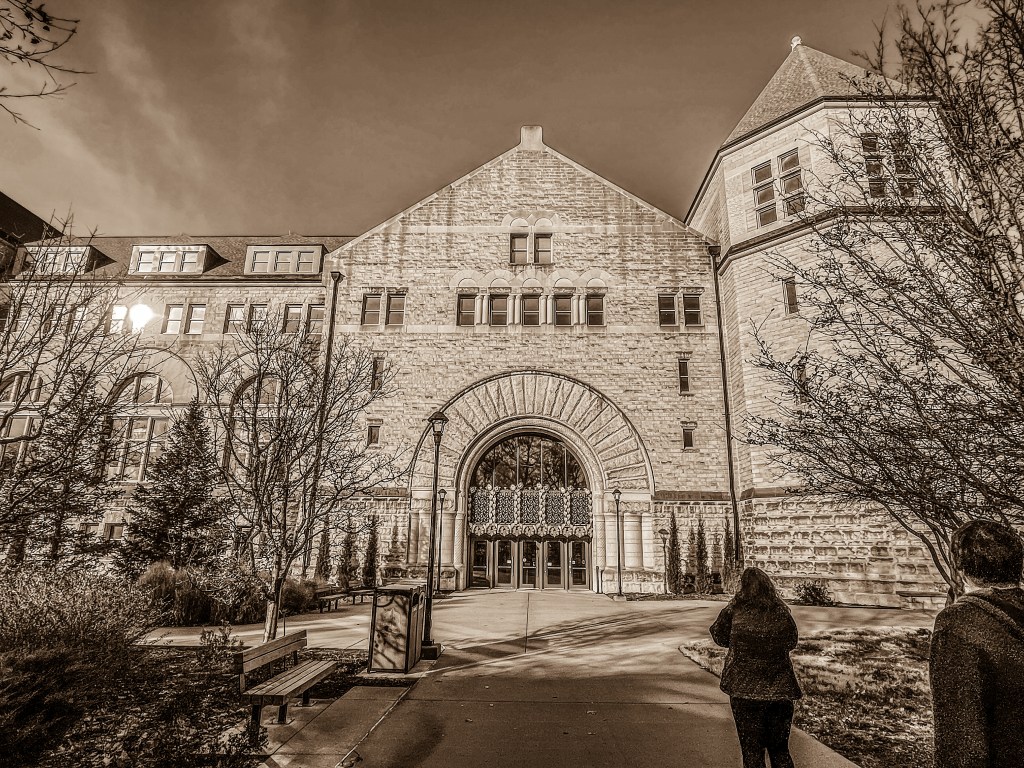
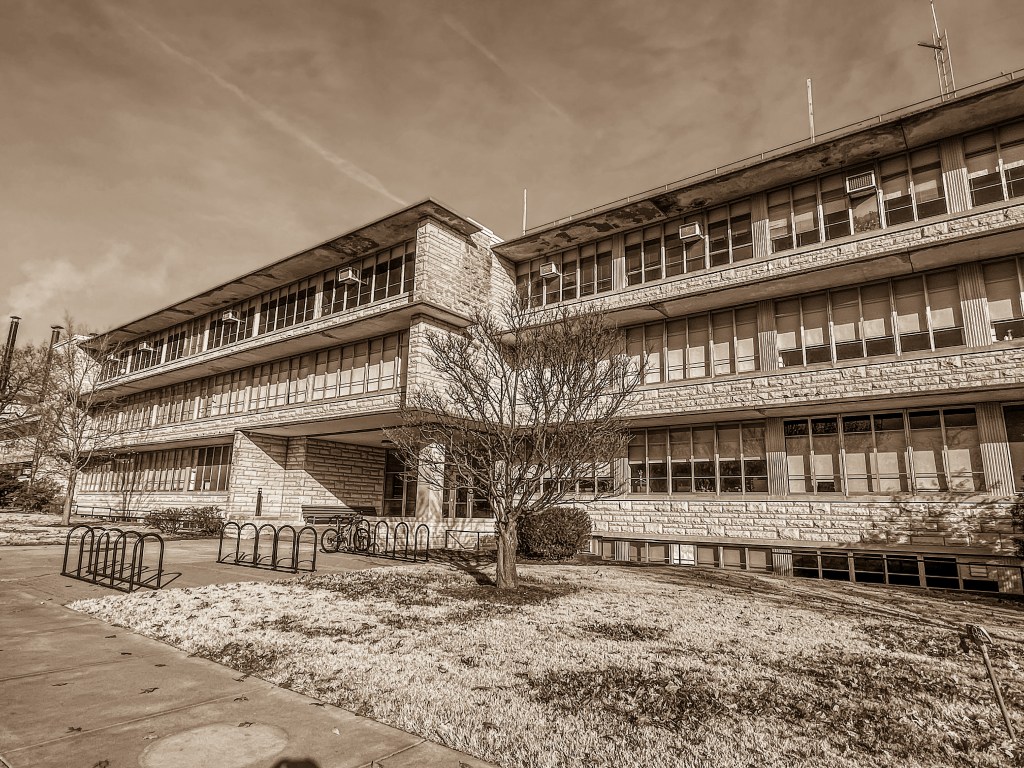
If you’re looking for a Bedford Falls moment in your life, replete with walkable neighborhoods infused with a college town atmosphere, Manhattan is the place for you. Its scale and architecture are bound together by that ubiquitous Flint Hills stone, used in the construction of both its earliest houses and the academic buildings of the KSU campus. In fact, almost every building on the campus is clad in some shape or form by this white-yellow sandstone. My favorite building is Seaton Hall, along with its 1959 west wing expansion, designed in the International Style. The Hale Library is also a sturdy example of the Romanesque Revival. The campus, compact and walkable, was devoid of students when I visited last Christmas. But I am sure now in this autumn time, with the leaves falling amongst the warm stone of Manhattan’s old buildings, one cannot help but sense that this is an authentic place at its best.
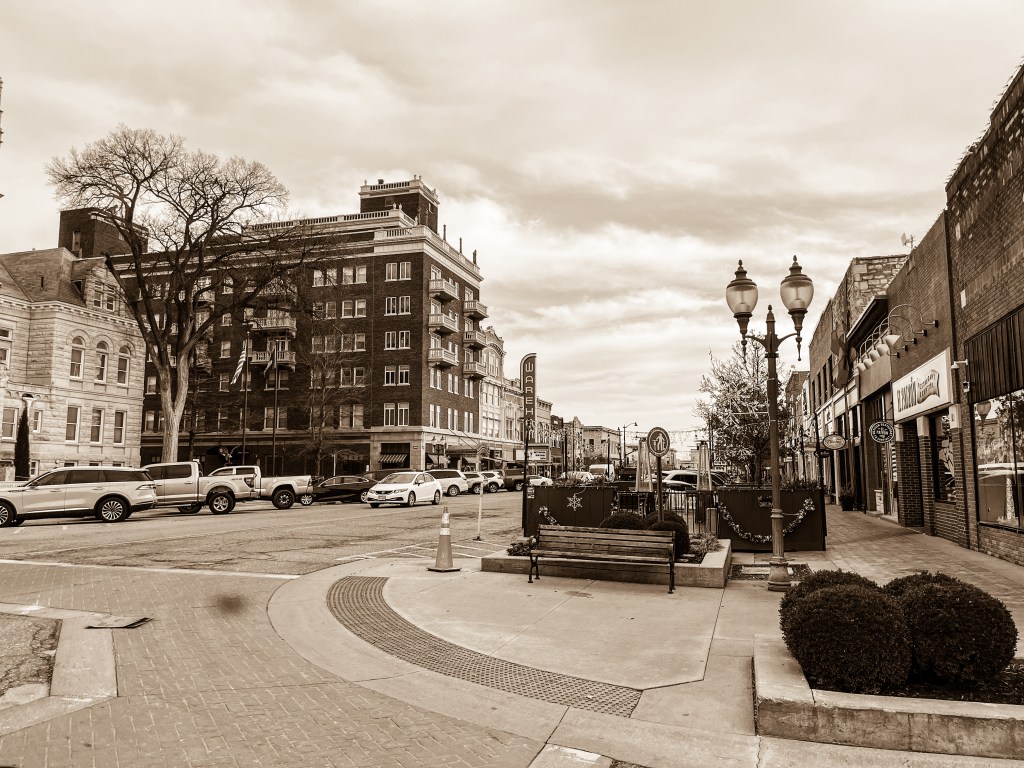
When I first visited last December, a week before Christmas, the city was serenely quiet with its students gone on holiday break. But the downtown was lit up and open for business, as one would expect for the holidays. Even Johnny Kaw, the 25-foot statue of the mythical but legendary pioneer figure who settled the Kansas landscape, sported a festive Christmas hat. The legend was drawn up by a KSU professor back in the 1950s. It would be an understatement if I said Johnny Kaw loomed large in Manhattan.

Housing and Preservation in Manhattan
Behind all this, Manhattan, like many other communities today, is struggling with how to preserve its wonderful setting while also providing more housing for a growing and diversifying workforce. Manhattan is an interesting case. It’s downtown, and central neighborhoods sit in a flat bowl as part of a broad floodplain within the rolling and rocky terrain of the Flint Hills, a geology formed by alternating layers of limestone and shale in east central Kansas. It’s a landscape not really suitable for farming, but its grasslands offer nice scenic views when driving through it. However, this landscape also imposes significant limitations on where and how Manhattan can grow. With the city projected to grow in population to 80,000 by 2033 from its current count of 53,682—mainly due to its expanding agricultural research industries—adding new housing has become a paramount concern for Manhattan’s city planners and economic developers.
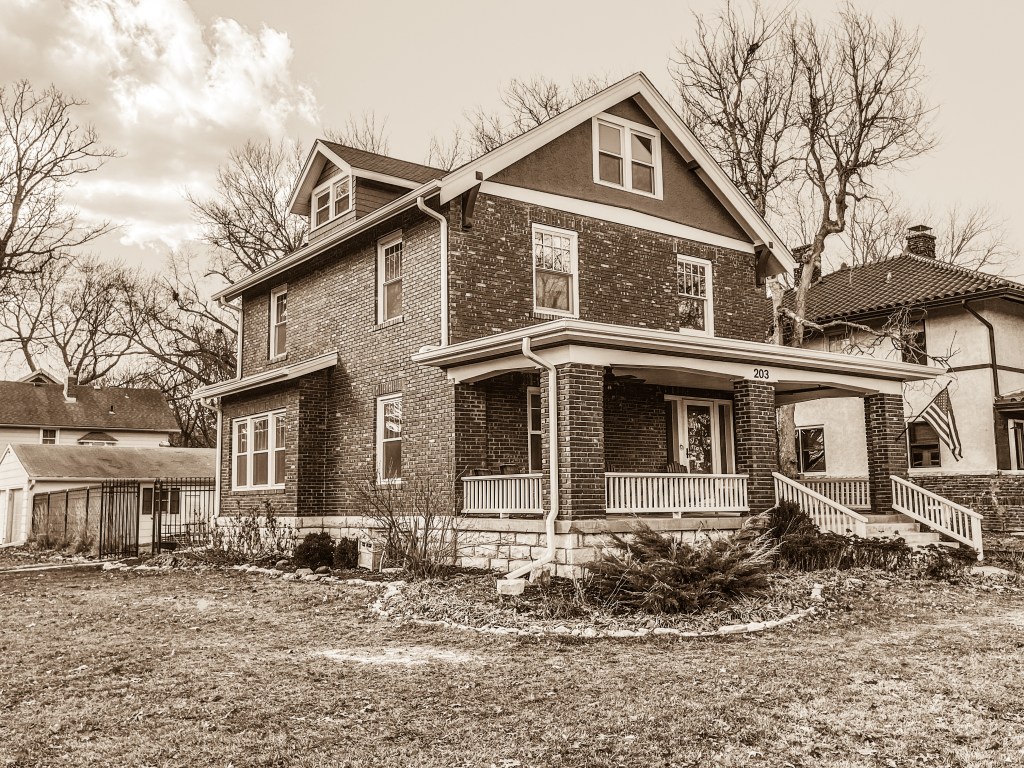
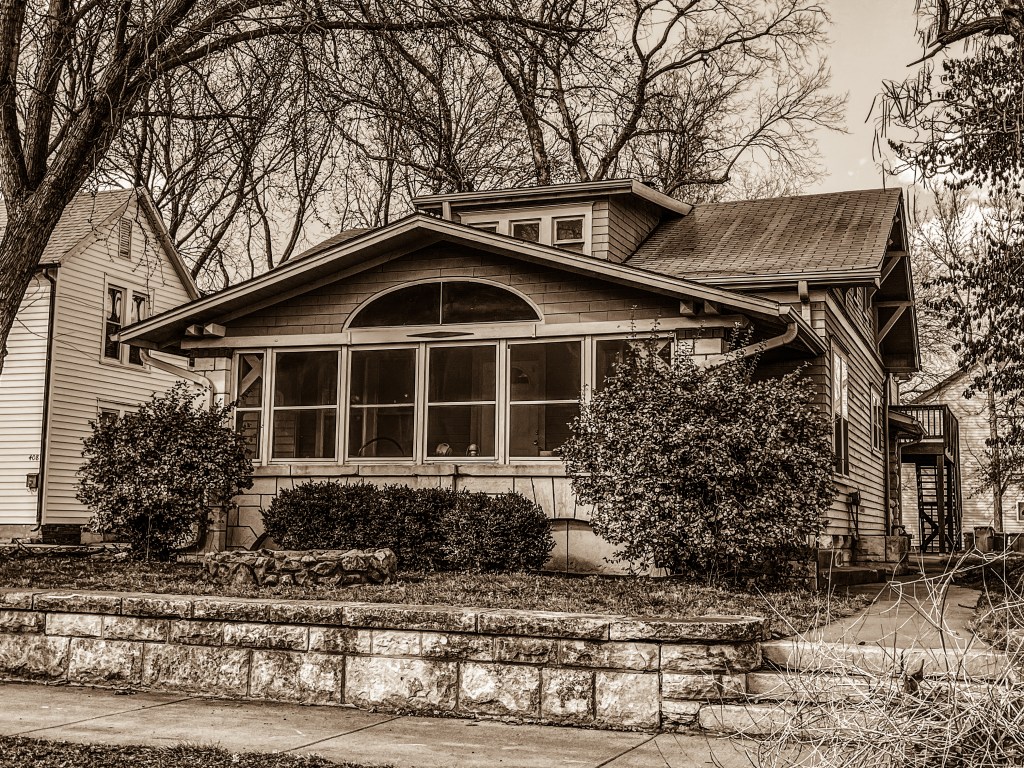
On top of this are the housing issues faced by college towns today: older dwellings worn out by their use as a cheap source of student lodging, now giving way to contemporary rental apartment complexes offering luxury amenities that college students of yesteryear could only dream of. These newer developments—though not as tall and dominating as I’ve seen in other college towns recently—still impact the scale of the nearby residential neighborhood. Beyond the student lodging, newer residential developments are creeping into the neighborhoods around the City Park area. Naturally, the local preservationists are not too happy.
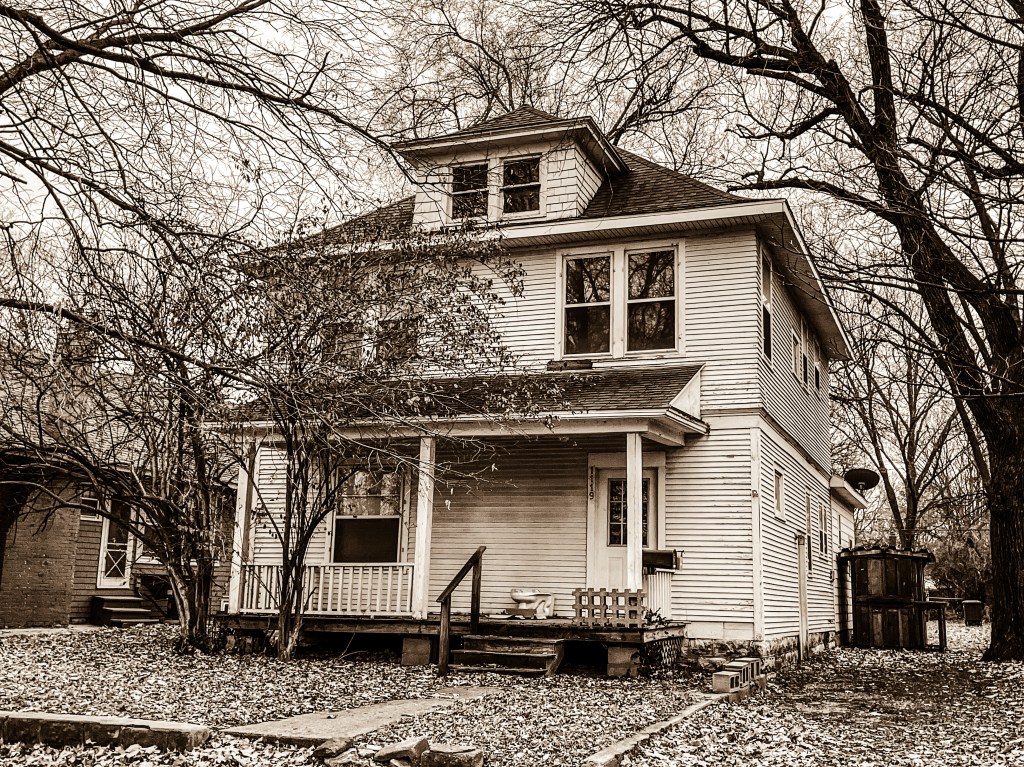
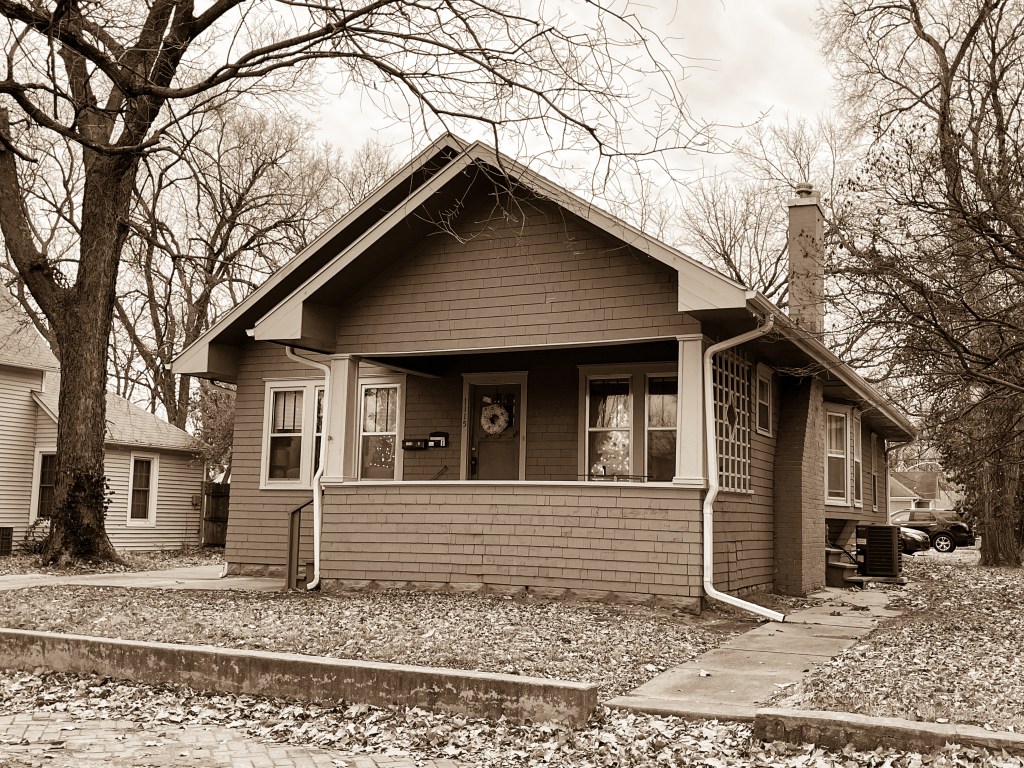
Historic preservation and housing have become the subject of conversation in recent years, driven by the housing affordability crisis and the attention given to it in the public discourse by journalists, commentators, and YIMBY bloggers. Naturally, historic districts have become an easy target in this conversation. In 2016, writer Kriston Capps, then with the Atlantic’s CityLab online journal, now part of Bloomberg News, wrote a scathing critique in his 2016 piece, “Why Historic Preservation Districts Should Be a Thing of the Past.” To Capps, “As cities confront the growing nationwide housing crisis, there will be both a need and a market for building more densely, even in the most precious neighborhoods.” There are numerous diatribes against historic districts in various printed articles since then.
This public discourse has filtered down to cities and communities in recent years as they grapple with the housing crisis. The discussion in some places has become a zero-sum game narrative: we need to limit historic preservation and historic districts, or else we will not make progress on addressing affordable housing. There’s a lot to unpack here on this topic, and it’s best left for another blog post. But back to the Little Apple for now, the issue is an important one: what is worth preserving and what tools do we have to strike the right balance between meeting affordable housing goals while maintaining authenticity and a sense of place? Is there some middle ground? Resolving the tension between historic preservation and housing affordability should not be mutually exclusive aims, one would think.
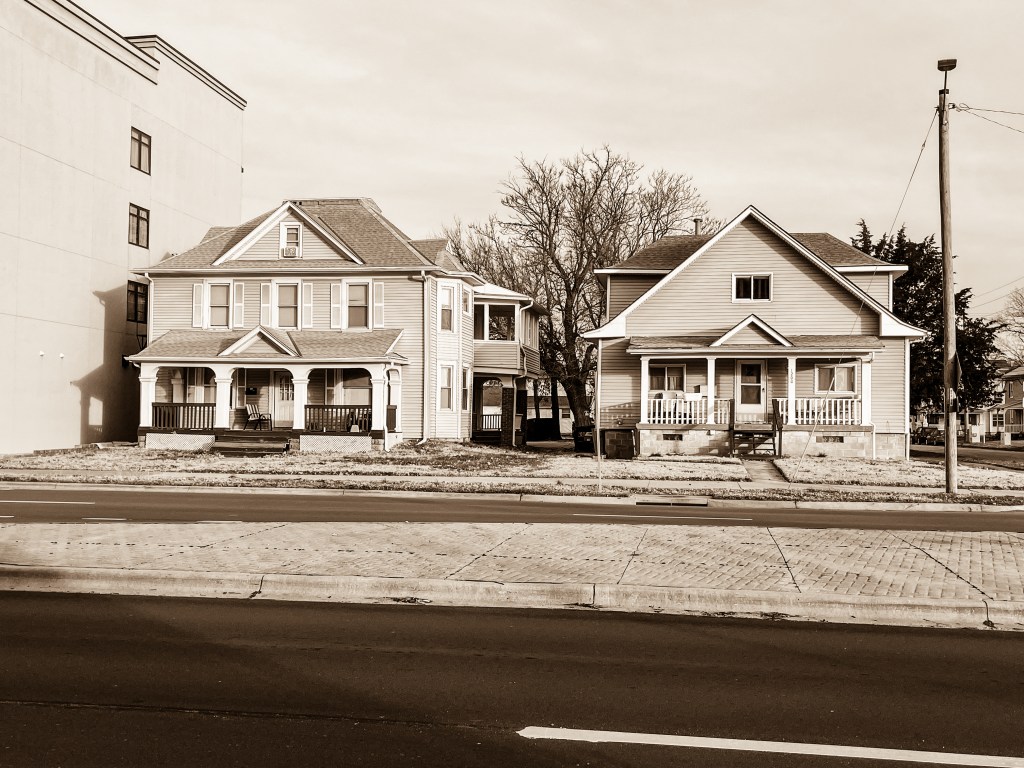
Historic districts, like historic buildings themselves, can be adaptable. Granny flats to existing homes and accessory dwelling units can offer new living opportunities for those who want to live in historic environments. Adding new construction on larger lots, with buildings at a “gentle density” and a compatible design and scale, can also work. The final preservation plan recommended using conservation districts to manage a curatorial evolution of the city’s historic districts, allowing new housing to be added without sacrificing neighborhood authenticity. In Manhattan, as with other communities, it will be interesting to see where they strike the balance between new housing and preservation.
 The Places of Sense Chronicles
Leave a comment